
The Guest Experience Gap: Why LuxuryTravelers Are Choosing Properties — NotJust Homes
There's a moment — somewhere between discovering a listing and actually booking it — where something shifts in a guest's mind.
They stop evaluating the property and start evaluating the experience around it.
How quickly did someone respond to their question? How clear and confident was the communication? Did the listing anticipate what they needed before they asked? Did the entire process feel like it was designed for someone like them — or like it was designed for anyone?
That shift is where luxury bookings are won or lost. And most property owners don't realize it's happening.
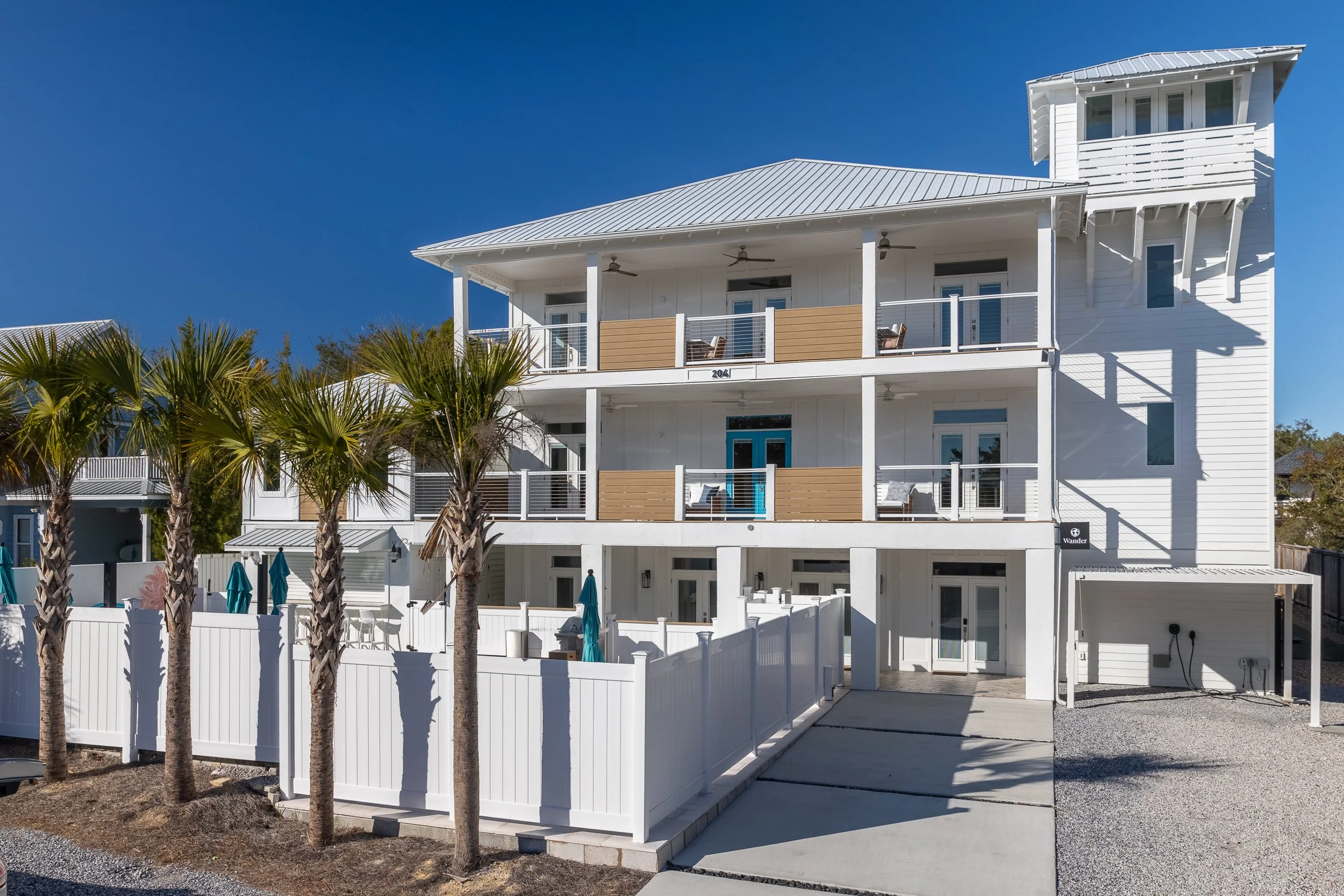
The New Decision Architecture
Luxury travelers in 2026 have more choices than ever. The supply of high-end short- term rentals has expanded dramatically — beautiful kitchens, infinity pools, panoramic views are no longer rare. They're expected.
What hasn't kept pace with the supply of stunning homes is the supply of stunning experiences. And that gap — between property quality and experience quality — is now the single largest differentiator in luxury STR performance.
Research consistently shows that guest satisfaction in luxury accommodations is driven less by the physical space and more by the service ecosystem surrounding it. A traveler paying $1,500 a night doesn't just expect a beautiful home. They expect to feel considered. Anticipated. Cared for — without having to ask.
When that expectation is met, the results are measurable: higher review scores, increased willingness to pay premium rates, stronger repeat booking rates, and organic referrals that no advertising budget can replicate.
When it isn't met, even the most extraordinary property becomes forgettable.
Before They Arrive: The Experience Starts Earlier Than You Think
Most property owners think the guest experience begins at check-in. It doesn't. It begins the moment someone sends an inquiry.
Response time is the first signal. In luxury hospitality, a response within minutes communicates something words can't: that this property is professionally managed, that the guest's time is valued, and that every detail from here forward will be handled with the same precision.
A response that takes six hours — or worse, a day — communicates the opposite. Even if the eventual reply is warm and helpful, the damage is done. The guest has already booked somewhere else, or they've already decided this property doesn't operate at their standard.
Then comes the pre-arrival sequence. The best luxury STR experiences don't wait for the guest to arrive and figure things out. They guide. A personalized welcome message. Clear arrival instructions that feel curated, not copied from a template. Restaurant recommendations tailored to the group — a couple celebrating an anniversary doesn't need the same suggestions as a family with young children.
This isn't about being excessive. It's about being intentional. And intentionality, at scale, requires systems — not just good intentions.
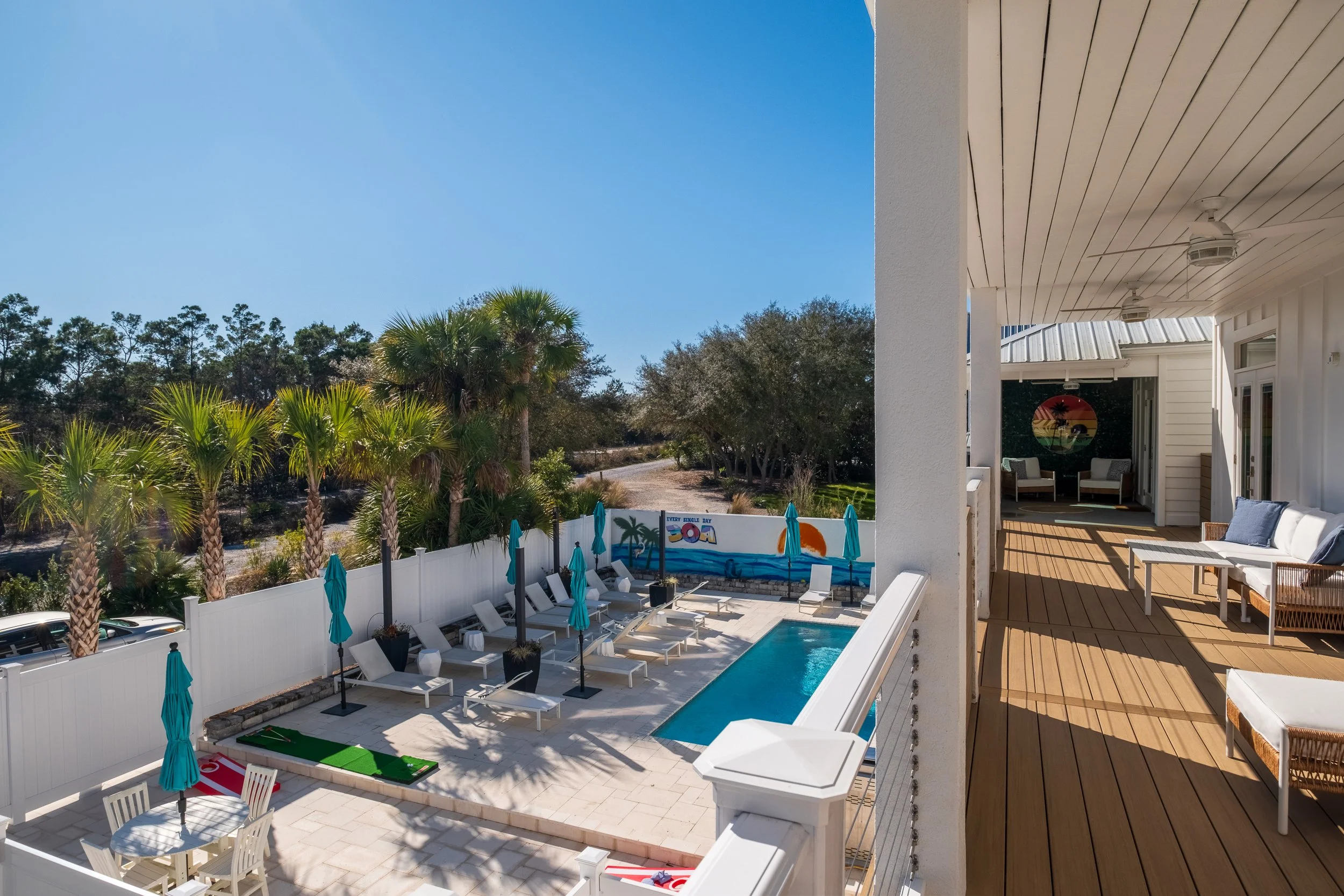
The Stay Itself: Details That Compound
The in-stay experience is where most property managers believe they excel. The home is clean, the Wi-Fi works, the pool is heated. Functional requirements met.
But functional isn't memorable. And in luxury STR, memorable is what generates five- star reviews, repeat bookings, and word-of-mouth referrals.
The properties that consistently outperform share a philosophy: every touchpoint is a chance to exceed expectations by a small, deliberate margin. Not dramatic gestures — subtle ones. A handwritten welcome note that references why the guest is visiting. Linens that feel noticeably better than expected. Lighting that creates mood, not just visibility. A kitchen stocked with the kind of coffee, olive oil, and salt that signals someone with taste made these choices.
These details seem small in isolation. But they compound. Each one reinforces a feeling — that this home is cared for by someone who thinks about the experience the way the guest thinks about the experience. And that feeling is what transforms a stay into a story guests tell.
The data supports this. Properties with consistently curated in-stay experiences report 20–35% higher repeat booking rates compared to properties that rely solely on physical amenities. The home gets them in the door. The experience brings them back.
After They Leave: The Invisible Revenue Engine
For most managed properties, the guest experience ends at checkout. Maybe a thank-you message. Maybe a review request. Usually nothing.
This is an enormous missed opportunity.
The post-stay period is when the guest decides three things: what review to leave, whether to return, and whether to recommend the property to someone else. Every one of those decisions directly impacts future revenue — and every one of them can be influenced.
A thoughtful follow-up message within hours of departure — not a generic template, but something that references their specific stay — can be the difference between a four-star review and a five-star one. Between a guest who enjoyed the home and a guest who tells ten friends about it.
The highest-performing properties treat post-stay communication as part of the revenue system, not an afterthought. They track guest preferences. They note special occasions.
They create a reason for the guest to return that goes beyond the property itself — because the experience made them feel known.
Over time, this creates something no amount of marketing can buy: a base of guests who book directly, refer consistently, and are far less price-sensitive than first-time visitors.
It's revenue that compounds without additional acquisition cost.
Why Most Managers Don't Get This Right
The reason the guest experience gap exists isn't that property managers don't care. Most do. It's that delivering a consistently exceptional experience at luxury standards requires infrastructure that most management models weren't built to support.
It requires technology — CRM systems, automated but personalized communication sequences, real-time monitoring and rapid response protocols.
It requires local teams — people who know the property intimately, who can be on-site within minutes, who inspect with the eye of an owner, not a checklist.
It requires operational standards — documented, repeatable, and continuously improved. Not a general approach, but a system that ensures the same quality whether the guest arrives in January or July, on a Tuesday or a holiday weekend.
And it requires a mindset shift: from thinking of guest experience as a cost center to recognizing it as the most powerful revenue driver in the portfolio.
Most property managers operate with some of these elements. Very few operate with all of them. And in luxury, "some" is the gap between good and exceptional.
The Paragon Guest System
Paragon Owners Circle was built around a conviction: that the guest experience isn't separate from revenue performance — it's the foundation of it.
Every property in the Paragon portfolio operates within a guest system designed for luxury standards: rapid-response communication from first inquiry through post-departure. Personalized pre-arrival and in-stay touchpoints. Local teams trained to inspect, maintain, and care for each home as if their reputation depends on it — because it does.
The result isn't just happier guests. It's higher-performing properties. Stronger reviews, premium pricing power, repeat bookings that reduce acquisition costs, and a brand reputation that attracts exactly the kind of guests luxury homes were designed for.
Because in luxury STR, the home gets the booking.
But the experience earns the next one.
Experience the Paragon difference. Learn how we elevate every stay at paragonownerscircle.com.